
Human Image Design Discipline for Realistic AI Human Imagery

The Discipline

Human Image Design is our creative discipline for designing realistic human imagery and motion.

Through Human Image Design we combine AI image generation, art direction, and production-level refinement to create believable human visuals for education, marketing, publishing, and digital communication.

Rather than relying on stock photography or the complexity of traditional photo shoots, our discipline allows people, environments, and moments to be designed intentionally.

It is not simply a technique or a prompt workflow. It is the way we think about creating imagery of people.

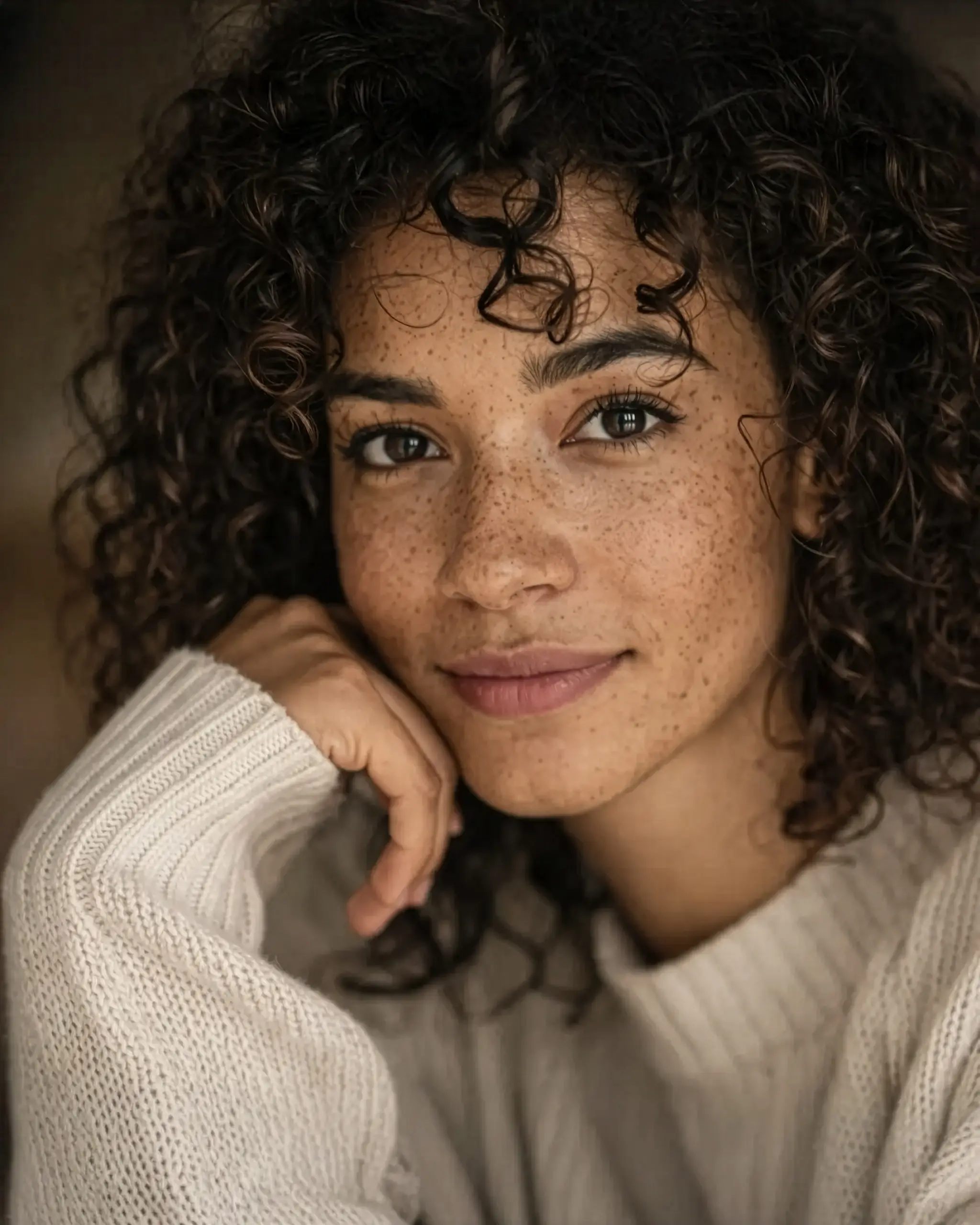
Leila portrait demonstrating realistic human imagery

Why Our Discipline Exists

Communicating with imagery of people has traditionally relied on two imperfect approaches.

Stock photography offers convenience, but often results in generic imagery that struggles to represent specific audiences, environments, or situations. The same images appear across many organisations, reducing authenticity and distinction.

Traditional photography offers realism and control, but it requires significant coordination and cost. Casting, locations, scheduling, lighting, and post-production can make even simple imagery complex to produce.

Both approaches can limit what is possible. Human Image Design emerged from a desire to work differently — to design human imagery with greater intention, flexibility, and clarity.
Designing Humans

Through our discipline we begin with the human.

Before any image is created, we define the person. Age, heritage, environment, expression, and intent are considered first.

This allows imagery to be created with purpose rather than discovered by chance.

Instead of searching for photographs that approximate what we need, we design humans who genuinely belong within the story being communicated.

The resulting imagery feels photographed, but it begins as design.

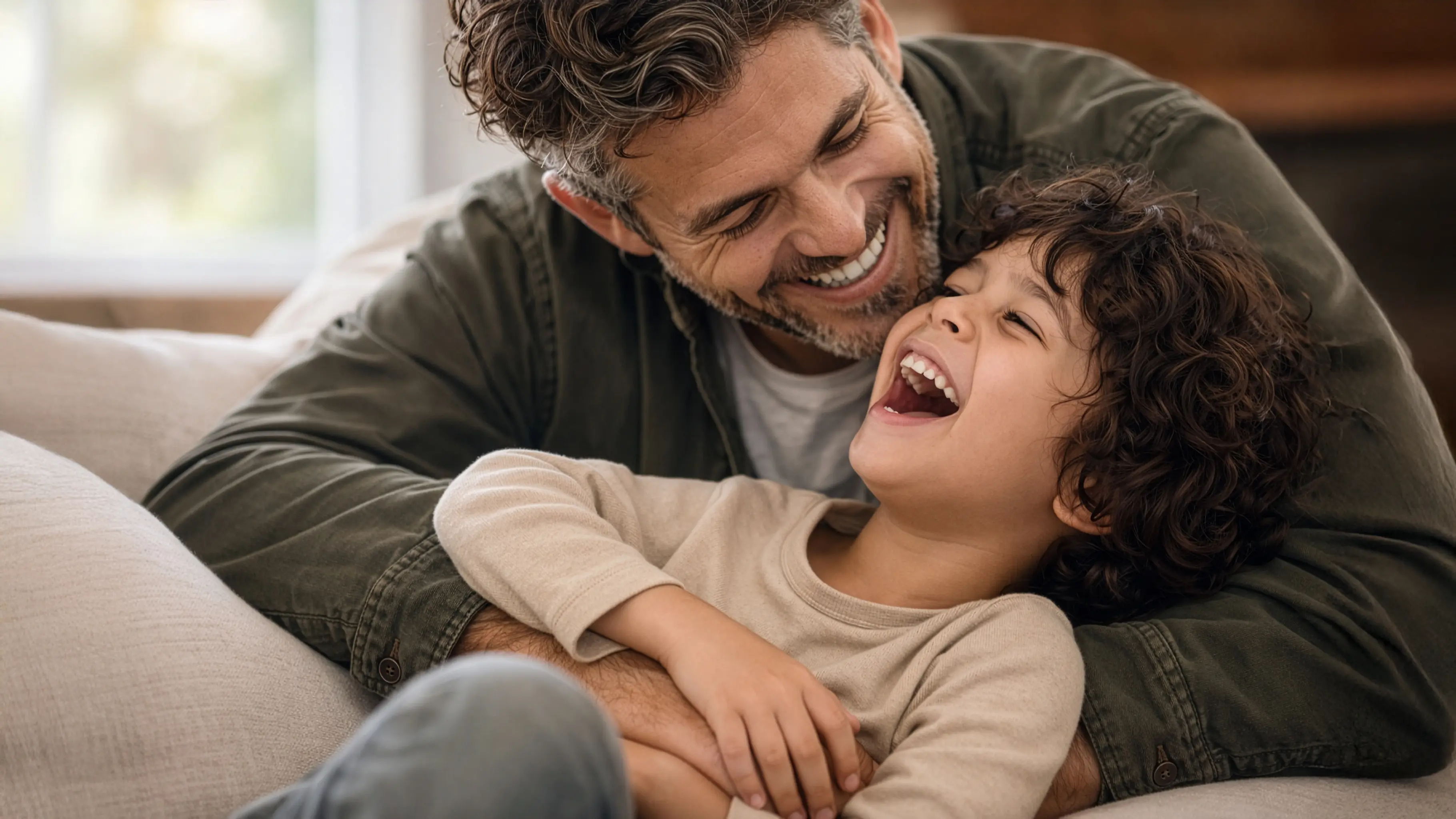
Wide lifestyle image showing realistic human imagery in context

A New Way to Create Human Imagery

Human Image Design expands what is possible when communicating with images of people.

It allows human imagery to be designed with intention — tailored to specific audiences, environments, and stories.

For organisations seeking realistic human imagery without the limitations of stock photography or the complexity of traditional production, it offers a new and flexible approach.

It is the discipline through which we design people for real communication.

What This Makes Possible

Working through Human Image Design expands what can be created with imagery of people.

It allows us to design humans who represent specific audiences and contexts, rather than relying on generic representations.

It allows organisations to develop consistent human imagery across campaigns, publications, and digital platforms.

It allows still imagery and motion to be created from the same defined human identity.

And it allows realistic visuals to be produced without the logistical constraints of traditional photo production.

For many organisations, this opens creative possibilities that previously required significant time, coordination, and cost.

The Role of Craft

AI generation is only one part of our discipline.

Creating believable human imagery requires careful visual judgement. Lighting, perspective, expression, environment, and subtle human details must all feel natural.

Through Human Image Design we refine generated imagery through art direction and production-level finishing.

The goal is not simply to produce images of people, but to create imagery that feels authentic, intentional, and ready for real use.

Our Principles

Our discipline is guided by a small number of principles.

We design for realism, focusing on subtle human details such as skin texture, natural lighting, and believable environments.

We define the human first, allowing identity and context to shape the imagery.

We approach representation intentionally, designing people who reflect real audiences and diverse perspectives.

And we treat generation as a starting point, refining imagery through art direction and production craft.

Our Method

Define

We begin by defining the human identity, context, and intended use.

Prompt

That definition is translated into structured prompt architecture that guides generation.

Generate

Multiple variations are explored to identify the strongest visual direction.

Refine

The strongest material is developed through art direction, selection, and iteration.

Deliver

Final stills and motion are prepared through production finishing for real communication.